Clinical Hypnosis Applications & Practical Tools
Clinical Hypnosis Applications: What Can Hypnosis Help With?
Clinical hypnosis is a research-backed therapeutic protocol used to treat a wide array of psychological and physiological conditions by modulating neural activity in the brain’s executive and sensory networks. At A Better Me, our registered clinical hypnotherapists specialize in four primary domains: Medical/Surgical support, Mental Wellbeing, Sleep Science, and Behavioral Change
How do I choose the right hypnosis application for my needs?
To find the correct intervention, you should categorize your goal as either Symptom Management (e.g., pain, anxiety) or Behavioral Modification (e.g., weight loss, smoking). At A Better Me, we organize these into a “Targeted Protocol” directory to ensure you are accessing the most effective neurological “entry point” for your subconscious.
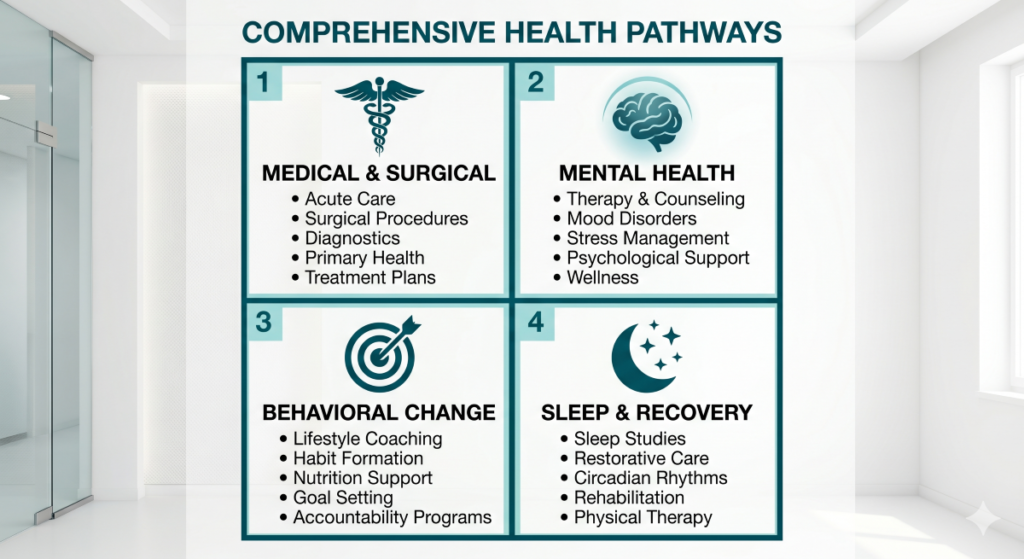
The Clinical Directory: Evidence-Based Applications
1. Medical & Physiological Applications
Hypnosis is a “Gold Standard” for managing conditions where the nervous system’s response is the primary driver of discomfort.
- Clinical Hypnosis for Surgery: Reduce perioperative stress and accelerate tissue healing.
- [Chronic Pain Management]: Utilize “Gating Theory” to turn down the volume of pain signals in the brain.
- [IBS & Gut Health]: Gut-directed hypnotherapy is one of the few treatments with a “Grade A” evidence rating for irritable bowel syndrome.
2. Mental Health & Emotional Regulation
By communicating directly with the Amygdala and Prefrontal Cortex, these applications provide tools for “real-time” nervous system regulation.
- [Anxiety & Panic Protocol]: Rapidly down-regulate the “Fight or Flight” response.
- [Depression & Mood Support]: Utilize neuroplasticity to dismantle negative “Default Mode” thought loops.
- [Confidence & Performance]: Access “Flow States” for public speaking, sports, and professional excellence.
3. Sleep & Restorative Science
Our sleep protocols focus on the transition from Beta (waking) to Theta (deeply relaxed) and Delta (sleep) brainwaves.
- Hypnosis for Deep Sleep: Neutralize the “internal monologue” that prevents sleep onset.
- [Insomnia Recovery]: Long-term subconscious reprogramming for natural circadian rhythm alignment.
4. Behavioral Change & Habit Control
Hypnosis allows us to bypass the “Critical Faculty” of the conscious mind to embed new, automatic responses.
- [Hypnosis for Weight Loss]: Shift from “willpower” to “automatic choice” by changing your relationship with food.
- [Smoking & Vaping Cessation]: Neutralize the subconscious “cravings” associated with nicotine triggers.
Is hypnosis always effective for these applications?
Effectiveness depends on Suggestibility and Consistency. While 80-90% of the population is hypnotizable, the best clinical outcomes are seen when a protocol is followed for 6-10 sessions, allowing for permanent neuroplastic changes to take hold.
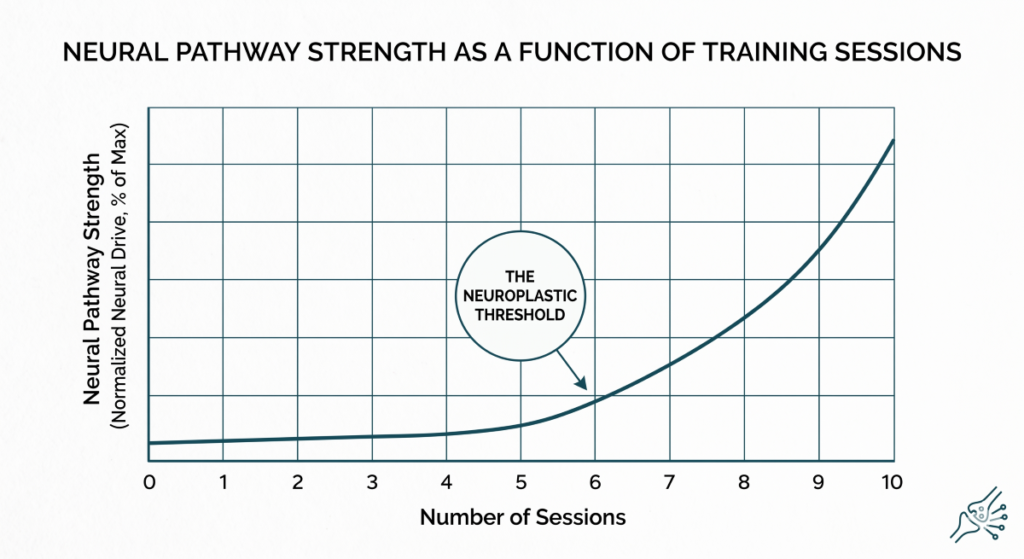
FAQ: Clinical Hypnosis Frequently Asked Questions
Can hypnosis help with something not listed here?
Yes. Because hypnosis addresses the “software” of the brain, it can be applied to almost any human experience governed by automatic behavior or emotional response. If your issue is “mind-body” related, hypnosis likely has a protocol for it.
How do I get started with a specific protocol?
Visit the [A Better Me Shop] to browse our full library of recordings, each designed by a registered clinical hypnotherapist for a specific application.
References
- Harvard Medical School (2025): “Clinical hypnosis as a non-pharmacological intervention for chronic pain.”
- Journal of Clinical Psychology (2024): “Effectiveness of digital hypnotherapy for generalized anxiety.”
- Registered Clinical Standards: All A Better Me protocols adhere to the ethical guidelines of the International Board of Clinical Hypnotherapists.