Your ultimate guide to hypnosis, science, and stories.
The Ultimate Hypnosis Guide: Decoding the Subconscious Mind
The ultimate guide to subconscious reprogramming, clinical hypnotherapy, and the science of trance. We translate complex research into practical tools for deep, lasting change.
The Neural Architecture of Change: How Storytelling Reprograms the Brain
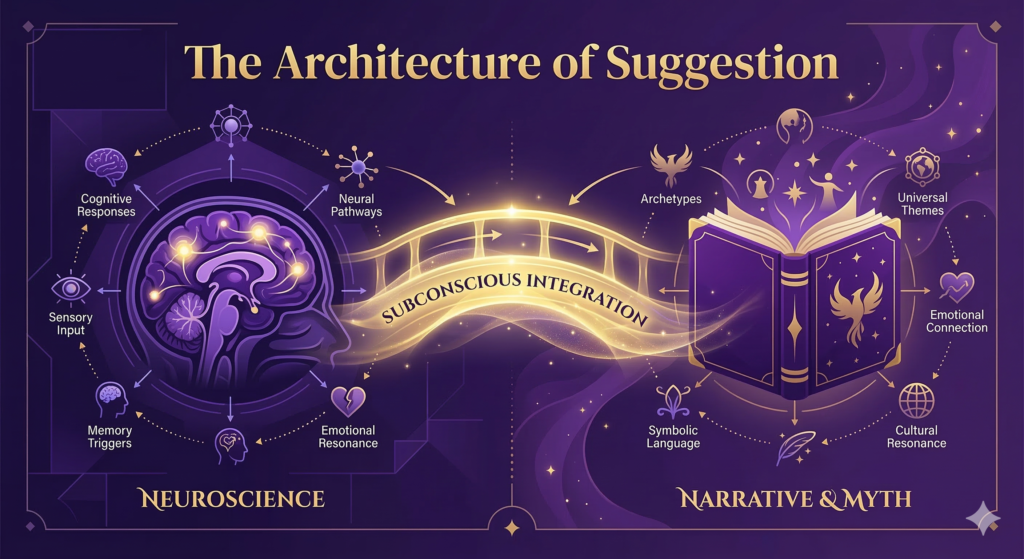
The Neural Architecture of Change
Hypnosis isn’t magic; it’s the precise application of metaphor. Our guide reveals how clinical protocols use storytelling to bypass the critical faculty and embed new neural pathways for permanent transformation.

Does hypnosis really work? We translate complex clinical research and neurological data into clear, accessible knowledge you can trust.

How does your mind process information? Explore the mechanics of belief, habit formation, and the power of lasting personal change.

Myths & Facts
Is hypnosis dangerous? Is it mind control? We use historical context and fact-checking to dismantle misconceptions.

Practical Tools
Evidence-based guides and actionable resources that connect clinical knowledge to real-world self-improvement.
Q: What is the subconscious mind?
A: The subconscious mind is the part of your consciousness that operates below your normal waking awareness. It manages your habits, deep-seated beliefs, and automatic responses. Hypnotherapy works by accessing this layer to facilitate positive, lasting change.
Is hypnosis scientifically proven?
A: Yes. Clinical hypnosis is backed by a growing body of peer-reviewed neurological research. It is recognized as a legitimate therapeutic tool for managing stress, pain, and behavior modification.
Can anyone be hypnotized?
A: Most people can be hypnotized, provided they are willing to participate. Hypnosis is a natural state of focused attention, and we guide you into that state to help you reach your goals.